
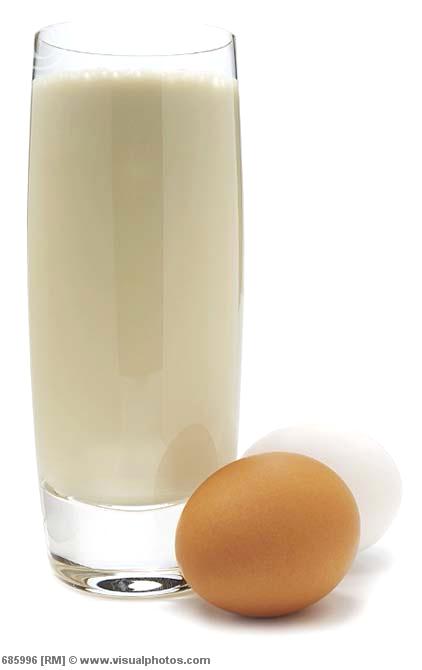
All About Protein
Protein is our mainstay during the weight-loss phase, so it's important to know all about it.
How do we know which one is the best? What do we look for? How much do we absorb? There are a lot of protein powders to learn about but there is more to protein than just powder.
I've done your homework for you...so here is the whole scoop on protein powders as well as whole food protein.
You will find recipes, shakes, and other protein information in various sections.
know your protein powder
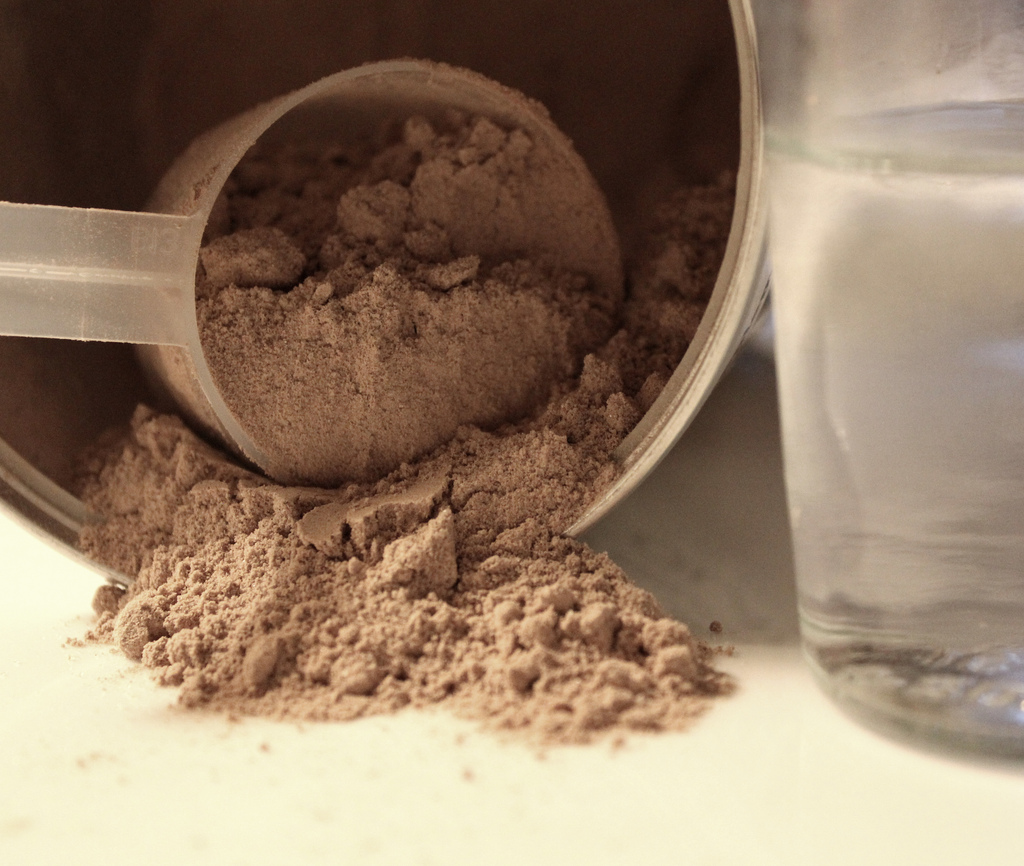 Suppose you went to the grocery store and asked for ground beef. The butcher gives you a package and says it's a great buy at their new special pricing. Great deal right?
Only when you get home you find that the ground beef is only 25% meat and the rest is fat. Not much of bargain, right?
So how do you know when you purchase protein powder what you're getting?
Let's take a look at Whey Protein.
Not all Whey Protein is created equal. When you purchase whey protein you are either getting one of three forms. Whey is broken down into three main catagoies—whey protein concentrate (WPC), whey protein isolate (WPI), or whey protein hydrolysate (WPH).
Whey Protein Isolate contains almost all protein – usually at least 90% protein. Containing the highest percentage of pure protein it is pure enough to be virtually lactose free, carbohydrate free, fat free, and cholesterol free.
Whey Protein Concentrate is protein, lactose, and minerals. These ingredients can vary from 25% to 90%. The FDA only requires that Whey Protein Concentrate be a minimum of 25% protein. So, when it's 25% protein, what's the rest? It could be 60% lactose. When you get less protein, you get more lactose. So, what is lactose? We'll talk about that in a moment.
Whey protein hydrolysate is the "predigested" form of whey protein—which has already undergone partial hydrolysis - a process necessary for the body to absorb protein. This form doesn't require as much digestion as the other two forms of whey protein. In addition, it is commonly used in medical protein supplements and infant formulas because of it's improved digestibility and reduced allergen potential.
So what is lactose? Lactose is milk sugar. Lactose sugars can cause problems for weight loss surgery patients. Lactose sugars can cause "dumping" and rob you of much needed protein we need for healing, overall health, weight loss and satiety. Not getting enough protein robs us of our health and undermines our hard-earned weight loss efforts.
Even though concentrate may be less money, they may not be our best option in the long run! You're in charge of your health—which is the best option for you? Choose wisely. You have many more miles to go!
 Julia Holloman
egg protein—egg-tra-ordinaire!
Egg Protein was around long before whey. Before whey, egg protein was a bodybuilder’s powder of choice.
What makes egg whites egg-tra-ordinary? Because they contain as many as 40 different high quality proteins.
Getting enough protein is important because it helps prevents muscle breakdown. And just why should we care about muscle breakdown? Because our muscles keep our bones strong and sturdy and strong bones keep us young.
It's true. Having strong bones is the number one way to keep our body young and healthy. Strong muscles also help us lose weight. Egg-actly what I thought—Egg-tra-ordinary! A big round of applause for egg protein.
So, no fooling around with your protein, your muscles, your bones, or your youth! Get rolling with egg protein. Yes, we can! We have many more miles to go!
 2 Comments
great protein moove
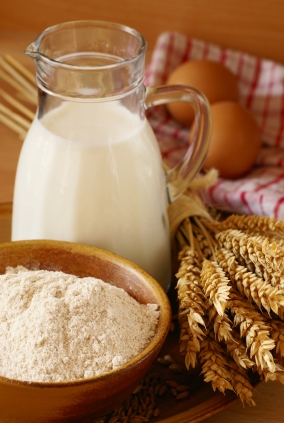
Here is one you can drink 'till the cows come home! Nonfat Dry milk is a low cost, high-protein food that offers an excellent source of calcium and is a great moove for fortifing your diet with extra protein without adding fat.
Nonfat dry milk is made by remooving water from pasteurized fat free milk. It contains all the protein, vitamins, and minerals found in fresh, fluid nonfat milk. Most nonfat dry milk has added Vitamin D and Vitamin A, just like regular milk. Serving reconstituted dry milk cold would also be a good moove to enhance the taste.
You can add nonfat dry milk powder to beverages, shakes, and many main dish recipes including fish, poultry, and eggs. It can also be used in combination with dried beans, peanut butter and cheese.
One serving (1/3 cup) of nonfat dry milk powder has 8 grams of protein, and about 80 calories. 1/3 cup dry milk powder + 1 cup water = 1 cup milk. 1 1/3 cup dry milk powder + 3 ¾ cups water = 4 cups (1 quart) milk.
People with lactose intolerance may have trouble with nonfat dry milk. For additional protein sources for those with lactose intolerance, it may behoove you to consider adding foods such as soy, tofu, beans, nutritional yeast, and eggs to your diet.
More ideas on high protein additions to your diet as well as recipes using dry milk coming soon.
"egg"-actly
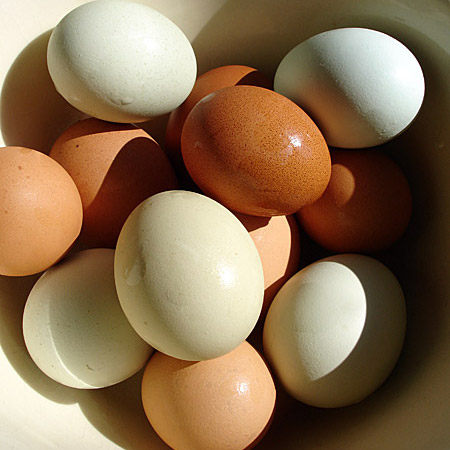
It important to get your protein each day, but also a balance of carbohydrates as well. Clinical Dietitian, Heidi Kaufman explains it this way—Your body uses protein for important roles such as energy, hair and nail growth, building muscle mass, building new tissue, repairing damaged cells and supporting your immune system. When you don’t get enough carbs your body steals protein to produce its own carbohydrates from the protein you eat, depleting protein levels.
Protein is important for the body to function and carbohydrates are essential for your brain to function. Don't know about you but I need that! Egg-actly!
Remember after surgery you need a total of between 75 and 100 grams of supplemental and food protein everyday.
So eat a balanced diet of protein and carbohydrates to keep your body and your brain working at full potential.
protein absorption
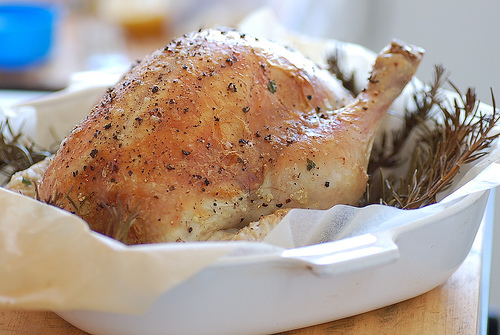 In most support group settings, there is always one main question that comes up, "How much protein you can absorb at one time?"
Most will tell you that it is about 30-40 grams, however, the fact is that there isn't any conclusive research. Some tend to think that it's about 9 grams an hour. Who knows? Besides everyone's body is different and absorption levels vary in individual cases, especially for gastric bypass patients.
During my personal journey, I was very compliant with my protein and diet. I always got my protein supplements in everyday, although my protein blood levels were sufficient, they were always on the low end of the chart (even before surgery). After returning to a "normal" maintenance plan for life, my protein comes from the food I eat, not supplements. Since I have been on a regular maintenance diet, my protein levels are higher...everyone will have a different experience.
Maybe the question could be, "How much do we need and how can we appropriately work that into a well balanced diet?" Spacing out your protein grams throughout the day keeps hunger at bay and your blood sugar level. You can see from the chart below an average amount of protein you would consume at one meal, this could be a good guide to follow.
After all, when we get right down to it, we eat for nutrition and energy, not just to mark off the numbers on a chart. Our focus turns from rules to returning to health and wellness. So with that in mind let's take a look at serving sizes and how much protein each food contains. The chart below will help guide you. Remember, if you are eating smaller amounts based on your current food phase, you should be getting between 70 and 100 grams per-day. That means that the remainder of your protein should be in supplement form. Protein grams on this chart are based on a "regular diet" serving size.* See "food phase" entries for more information on what a regular diet looks like.
On average an ounce of meat or fish has approximately 7 grams of protein.
Beef
Hamburger patty, 4 oz – 28 grams protein
Steak, 6 oz – 42 grams
Most cuts of beef – 7 grams of protein per ounce
Chicken
Chicken breast, 3.5 oz - 30 grams protein
Chicken thigh – 10 grams (for average size)
Drumstick – 11 grams
Wing – 6 grams
Chicken meat, cooked, 4 oz – 35 grams
Fish
Most fish fillets or steaks are about 22 grams of protein for 3 ½ oz (100 grams) of cooked fish, or 6 grams per ounce
Tuna, 6 oz can - 40 grams of protein
Pork
Pork chop, average - 22 grams protein
Pork loin or tenderloin, 4 oz – 29 grams
Ham, 3 oz serving – 19 grams
Ground pork, 1 oz raw – 5 grams; 3 oz cooked – 22 grams
Bacon, 1 slice – 3 grams
Canadian-style bacon (back bacon), slice – 5 – 6 grams
Eggs and Dairy
Egg, large - 6 grams protein
Milk, 1 cup - 8 grams
Cottage cheese, ½ cup - 15 grams
Yogurt, 1 cup – usually 8-12 grams, check label
Soft cheeses (Mozzarella, Brie, Camembert) – 6 grams per oz
Medium cheeses (Cheddar, Swiss) – 7 or 8 grams per oz
Hard cheeses (Parmesan) – 10 grams per oz
Beans (including soy)
Tofu, ½ cup 20 grams protein
Tofu, 1 oz, 2.3 grams
Soy milk, 1 cup - 6 -10 grams
Most beans (black, pinto, lentils, etc) about 7-10 grams protein per half cup of cooked beans
Soy beans, ½ cup cooked – 14 grams protein
Split peas, ½ cup cooked – 8 grams
Nuts and Seeds
Peanut butter, 2 Tablespoons - 8 grams protein
Almonds, ¼ cup – 8 grams
Peanuts, ¼ cup – 9 grams
Cashews, ¼ cup – 5 grams
Pecans, ¼ cup – 2.5 grams
Sunflower seeds, ¼ cup – 6 grams
Pumpkin seeds, ¼ cup – 19 grams
Flax seeds – ¼ cup – 8 grams
_____________________________________________________________________________________
*The definition of portion size is dependant upon the amount of food you choose to eat. In other words, there is no standard portion size. For example, a toddler’s portion size will be much smaller than an adult’s portion size. Alternatively, a serving size is a standard amount used to “eye ball” or to give advice about the quantity of food eaten.
 4 References